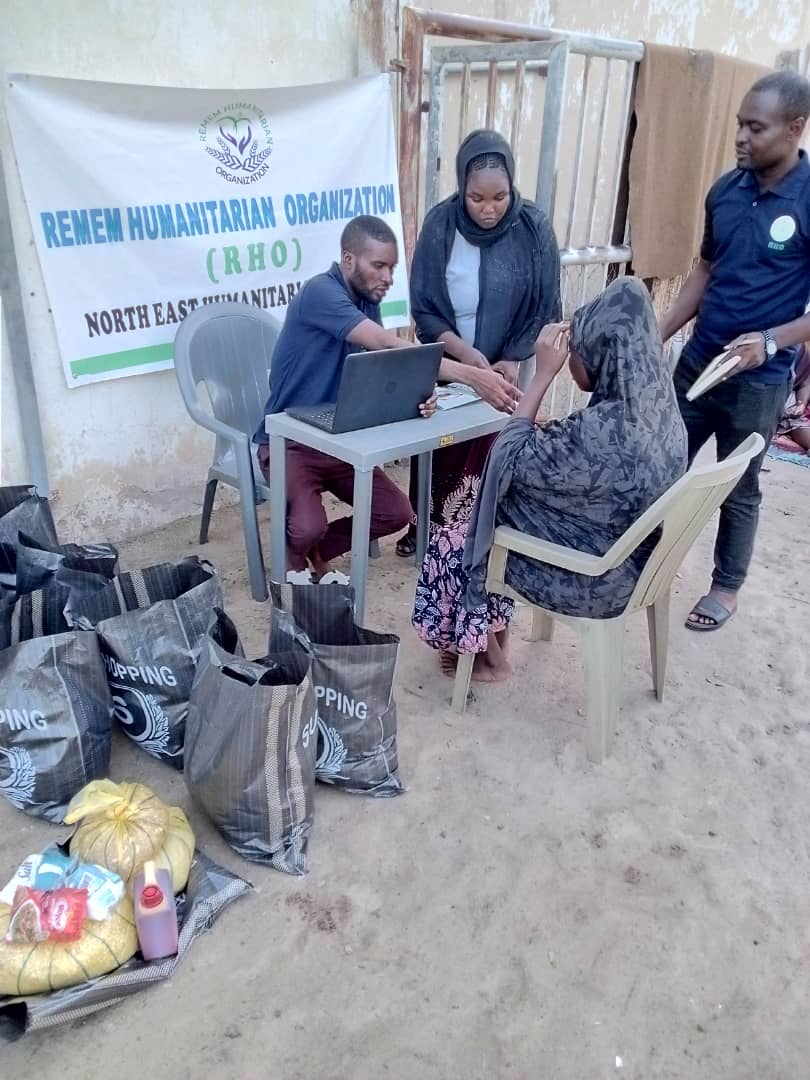
Join Us and Serve Humanity To Make The World A Better Place! Providing vital assistance to IDPs and Refugees across Nigeria.
REMEM HUMANITARIAN ORGANIZATION is registered in Nigeria with the Corporate Affairs Commission and other government agencies. Our objective is to help and develop the distressed, needy, neglected and vulnerable IDPs and Refugees socially and economically by providing them necessary assistance for sustaining their lives and conditions, especially the women and children.
Established in 2022, we have been at the forefront of responding to the crisis in the North-East Region, offering durable solutions through development and supporting efforts by the Government.
To create a sustainable and equitable world where all individuals, regardless of their circumstances, (gender, colour/race, religion, ethnicity, abled/disabled, young/old etc) will have access to essential resources (human needs), opportunities, and support to thrive, with communities resilient to climate change, empowered to lead healthy lives, and capable of achieving sustainable development.
To improve the lives of vulnerable populations by addressing urgent humanitarian needs and fostering long-term development. Through innovative programs in health, education, WASH (Water, Sanitation, and Hygiene), sustainable agriculture, and climate adaptation, we empower communities to build resilience against poverty, climate change, and social inequalities. We work collaboratively with local and global partners to create inclusive, sustainable solutions that ensure dignity and well-being for all.
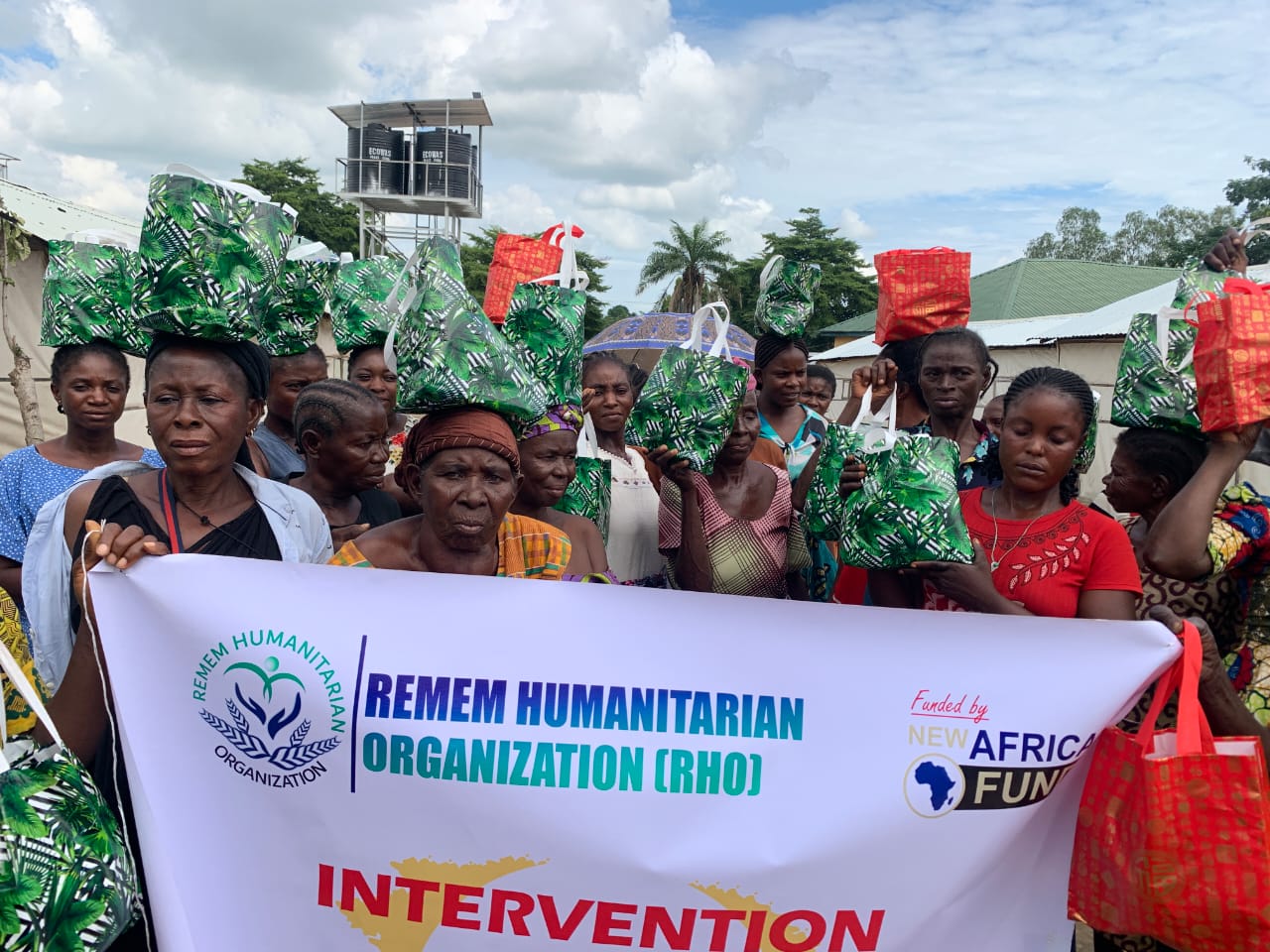
"To deliver impactful and scalable programs that: Enhance food security through sustainable agriculture and climate-smart practices. Promote access to clean water, improved sanitation, and hygiene for healthier communities. Empower communities to mitigate and adapt to the impacts of climate change. Foster resilience by building capacities, creating inclusive opportunities, and advancing sustainable development for long-term well-being."
Providing a multi-sectoral response to ensure the sustainable recovery and protection of vulnerable populations.
Enhancing agricultural productivity through sustainable farming practices and training programs. Supporting smallholder farmers with tools, seeds, and access to markets. Strengthening food distribution systems to reduce hunger and malnutrition.
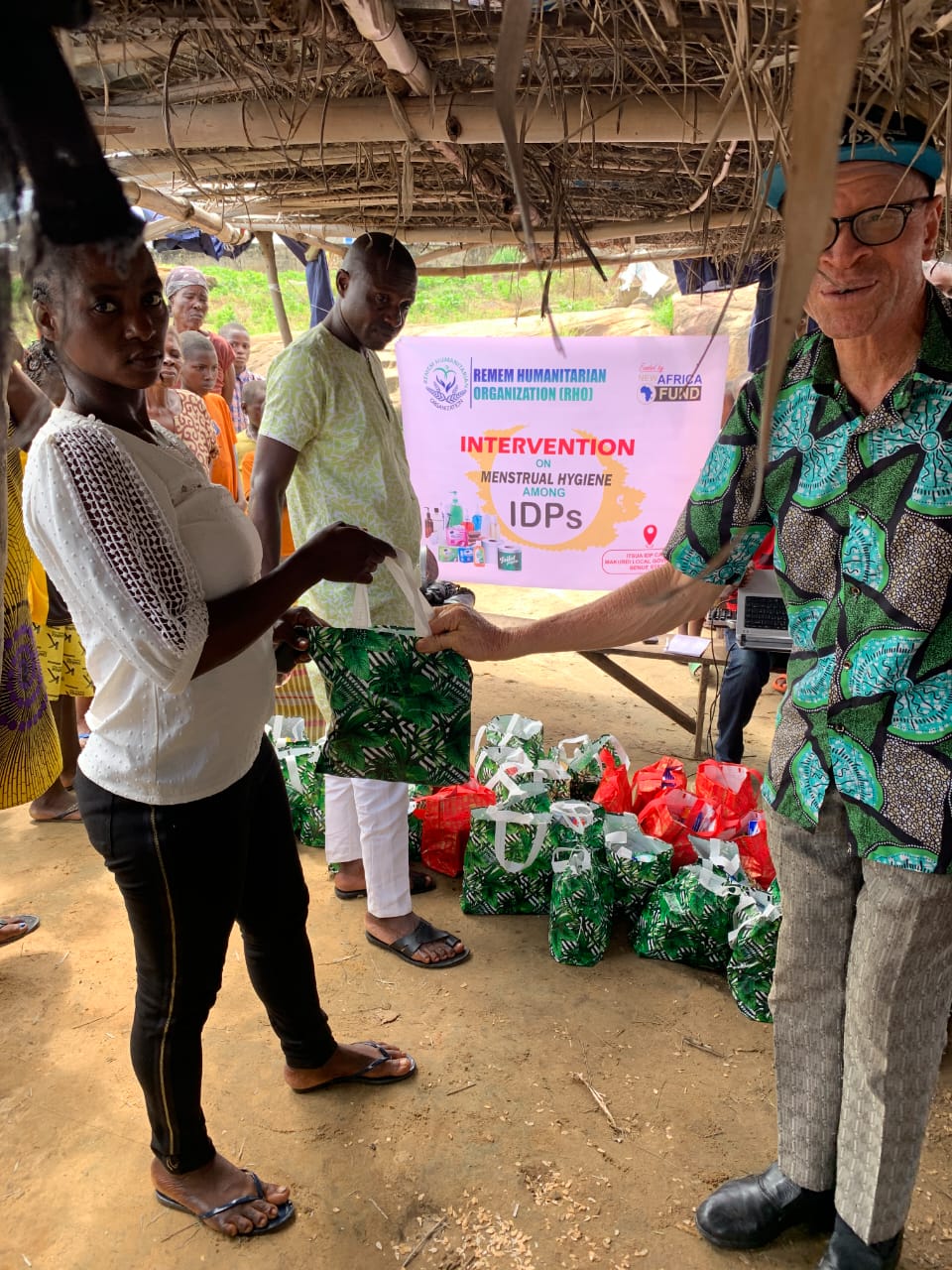
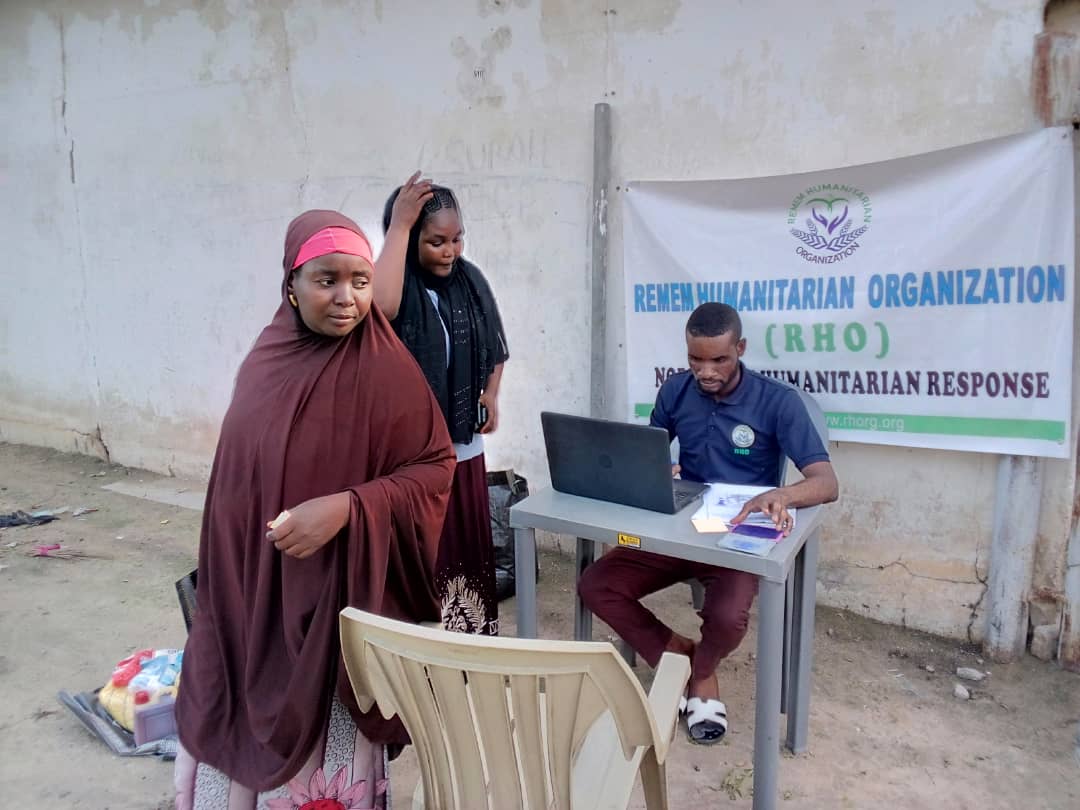
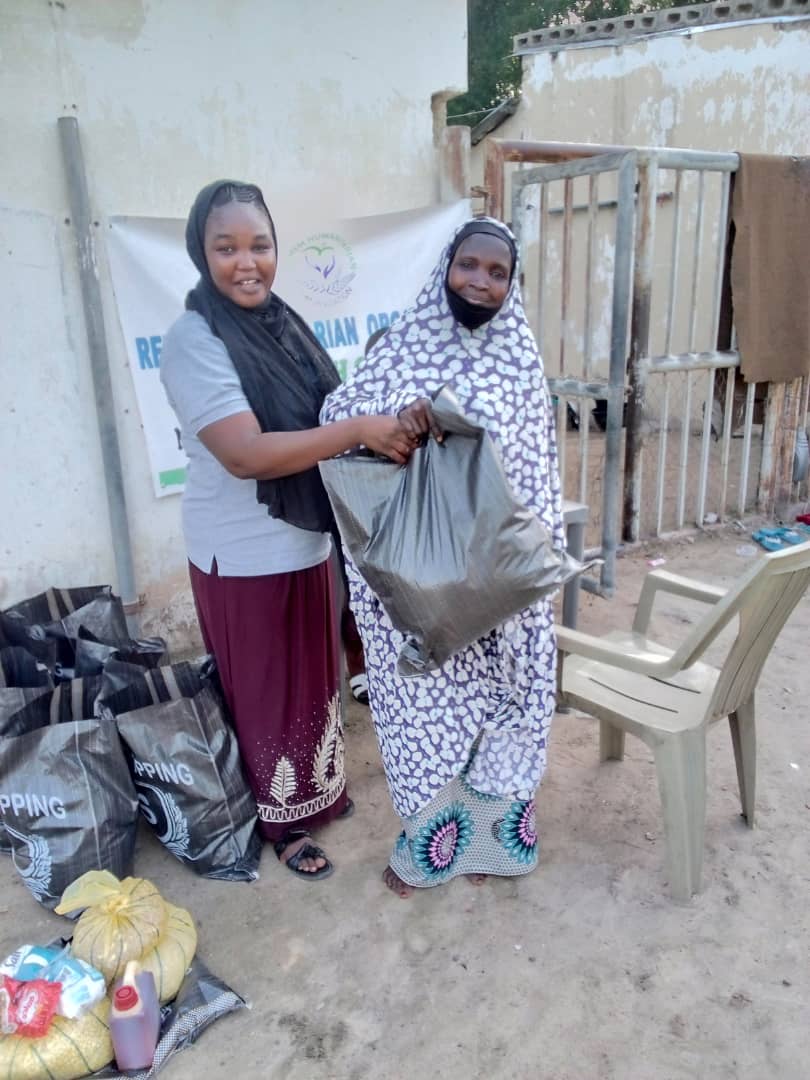
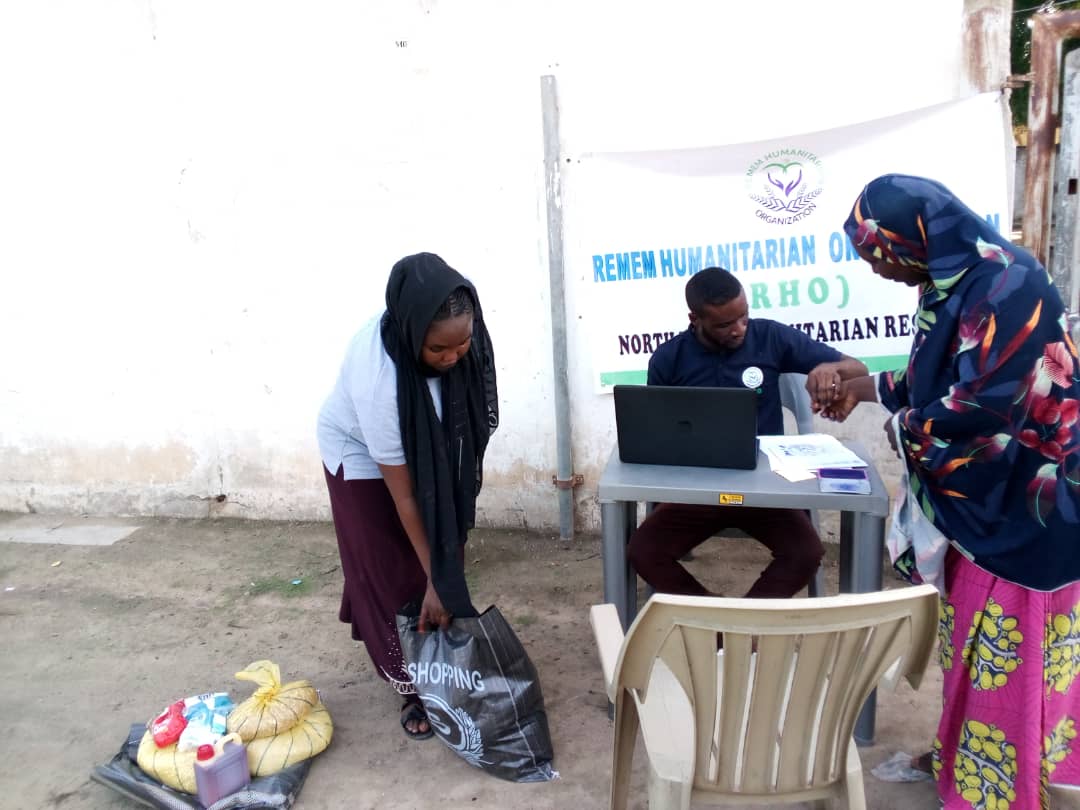
Providing emergency aid and support to communities affected by natural disasters, conflicts, and crises. Assisting displaced populations, including internally displaced persons (IDPs) and refugees, with essential resources like food, shelter, and medical care.
Promoting community-driven solutions for climate resilience and sustainability. Advocating for and implementing climate-smart agriculture and renewable energy technologies. Raising awareness on the impacts of climate change and supporting mitigation strategies.
Ensuring access to safe and clean water for underserved communities. Implementing sanitation infrastructure and promoting hygiene practices to prevent diseases. Conducting community education campaigns on water conservation and hygiene awareness.
Delivering healthcare services and nutrition support to vulnerable groups, including women, children, and the elderly. Promoting preventive healthcare measures and health education programs. Supporting maternal and child health initiatives to reduce mortality rates.
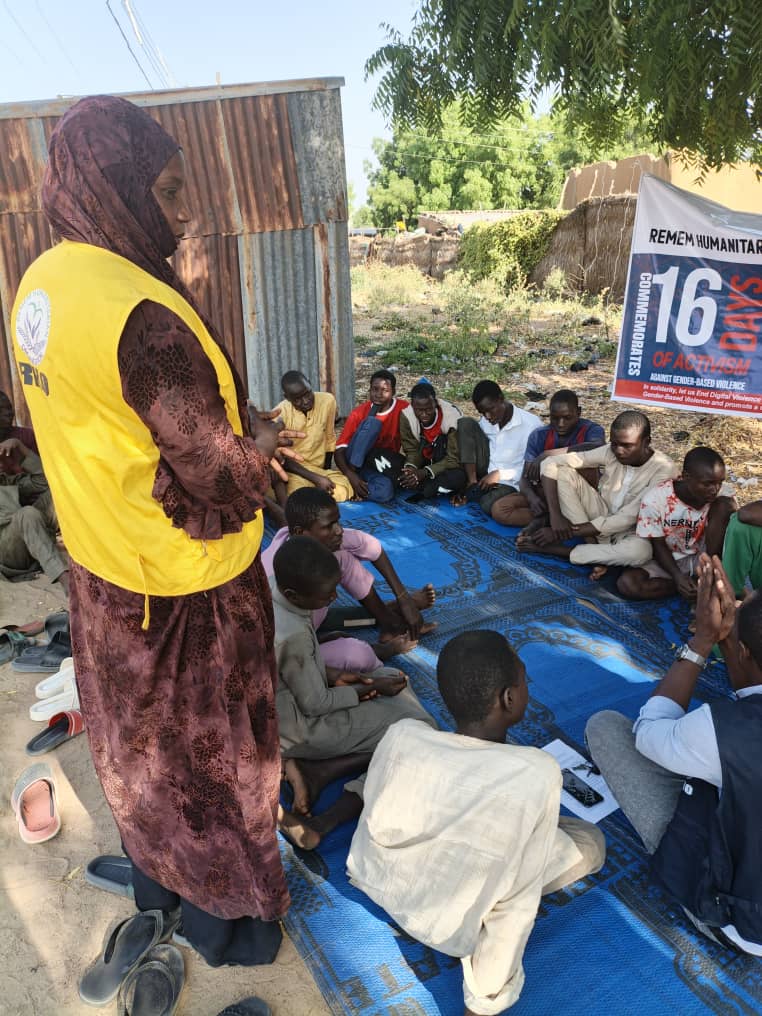
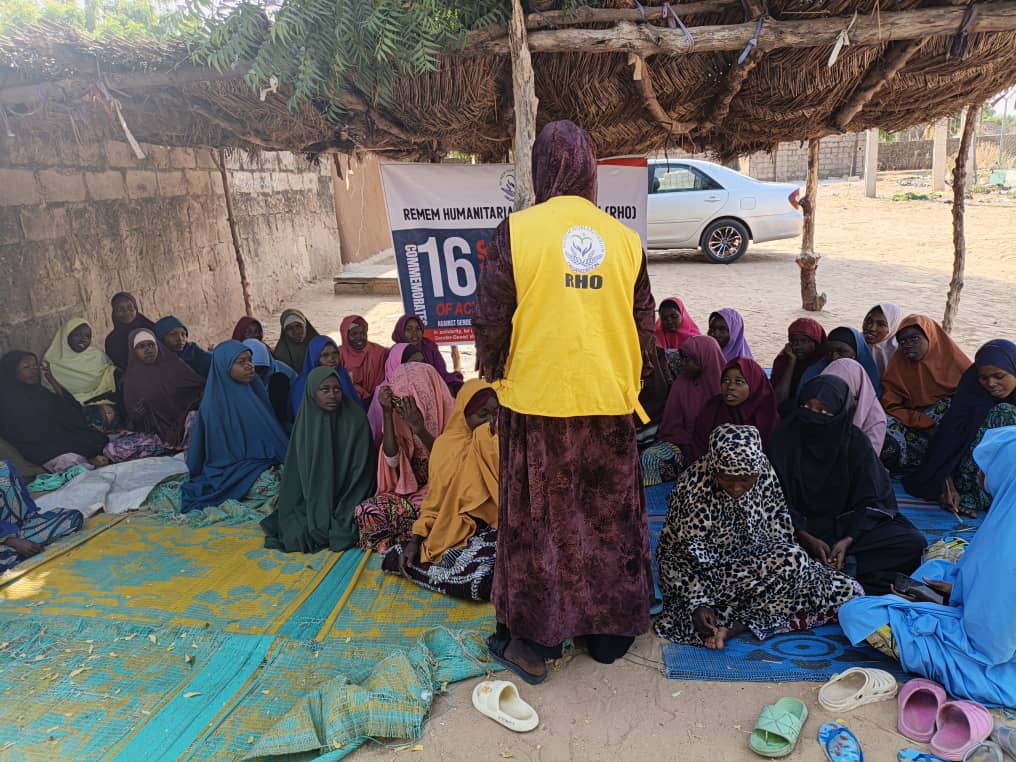
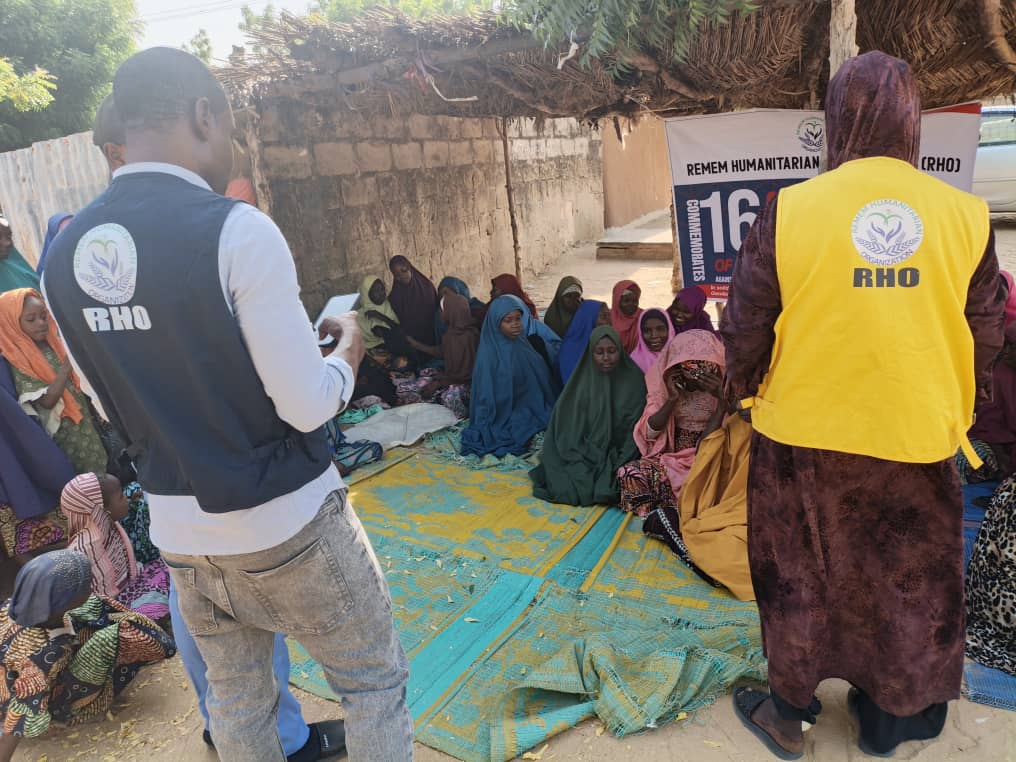
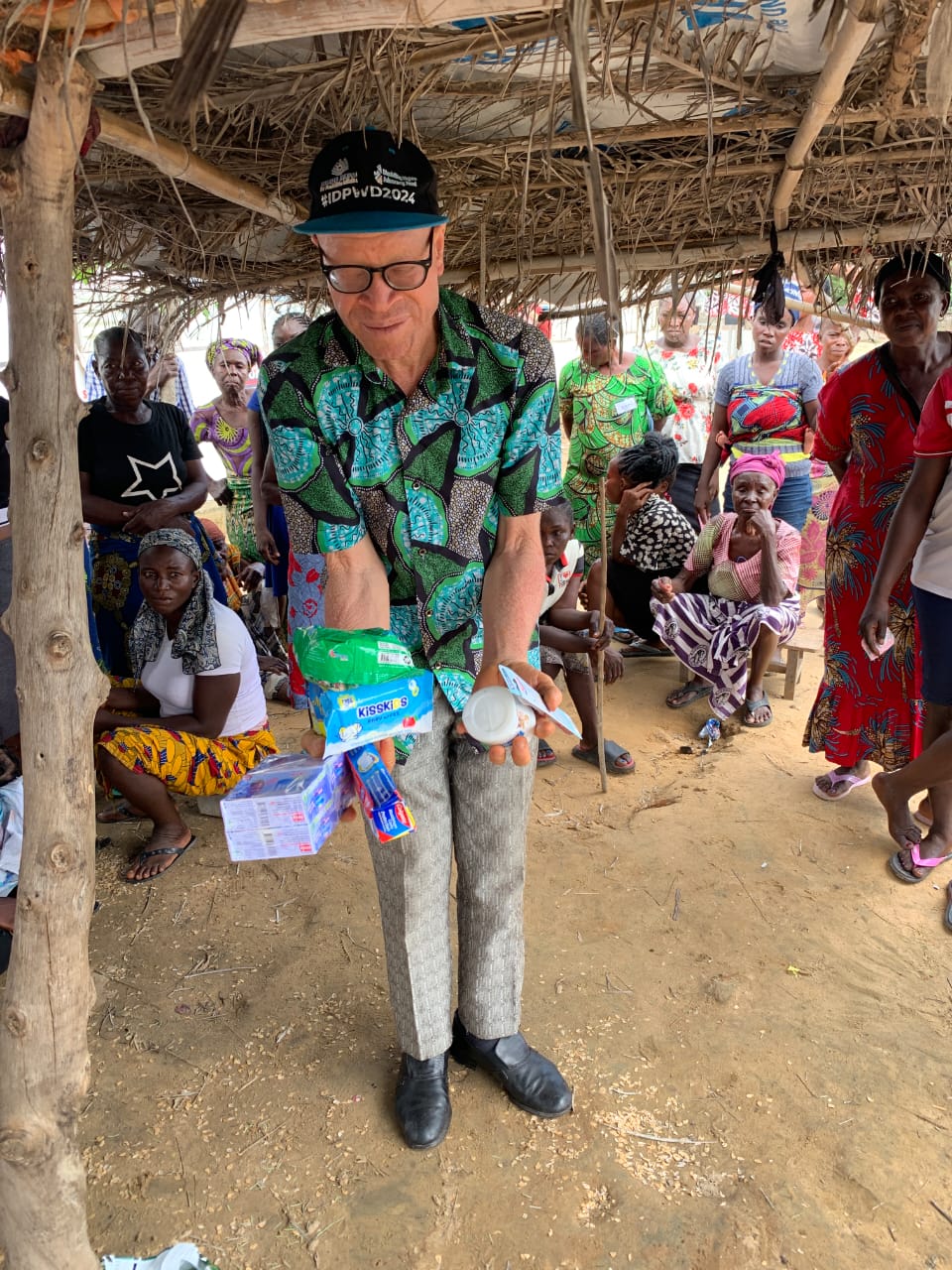
Advocating for women's empowerment and gender equality in all areas of life. Providing support for victims of gender-based violence and promoting social justice. Ensuring the inclusion of marginalized groups, including people with disabilities, in development programs.
Creating opportunities for income generation through microfinance, entrepreneurship, and vocational training. Supporting youth and women in establishing sustainable businesses. Strengthening community economies through cooperative development and resource mobilization.
Building local capacity to implement and sustain development programs. Advocating for policies that support sustainable development and humanitarian principles. Strengthening partnerships with government agencies, NGOs, and community-based organizations for collaborative impact.
Promoting dialogue and reconciliation in communities affected by conflict. Supporting initiatives that foster peaceful coexistence and cultural understanding. Strengthening community structures to prevent violence and build resilience.
Expanding access to quality education, especially for marginalized children and youth. Promoting digital literacy and equal access to technology for disadvantaged communities. Empowering individuals through vocational training and skills development.
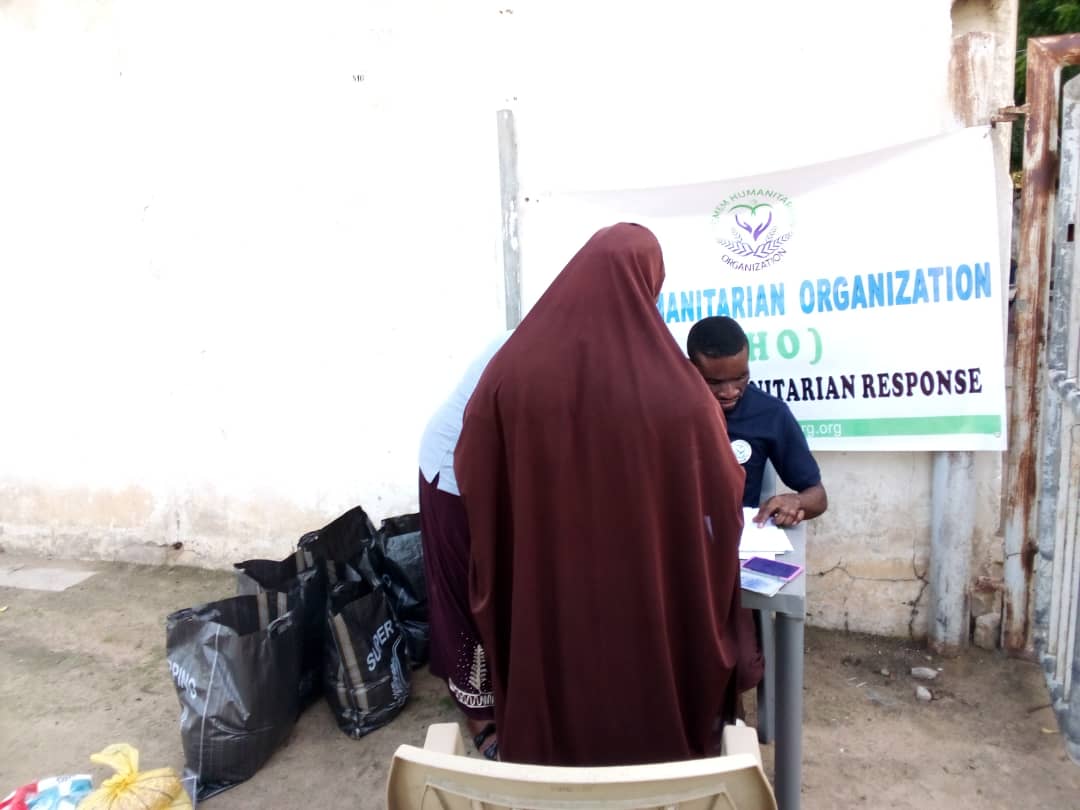
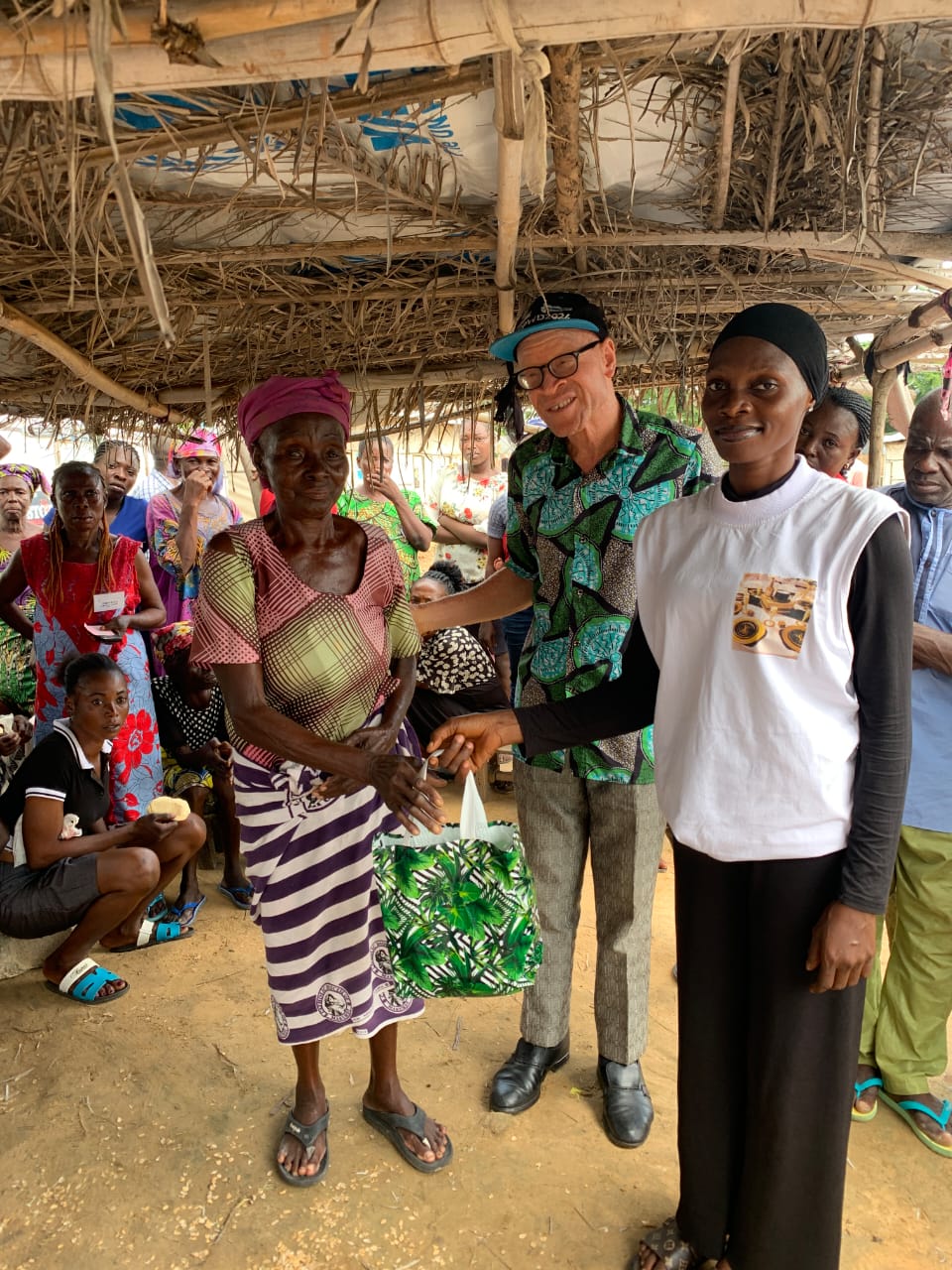
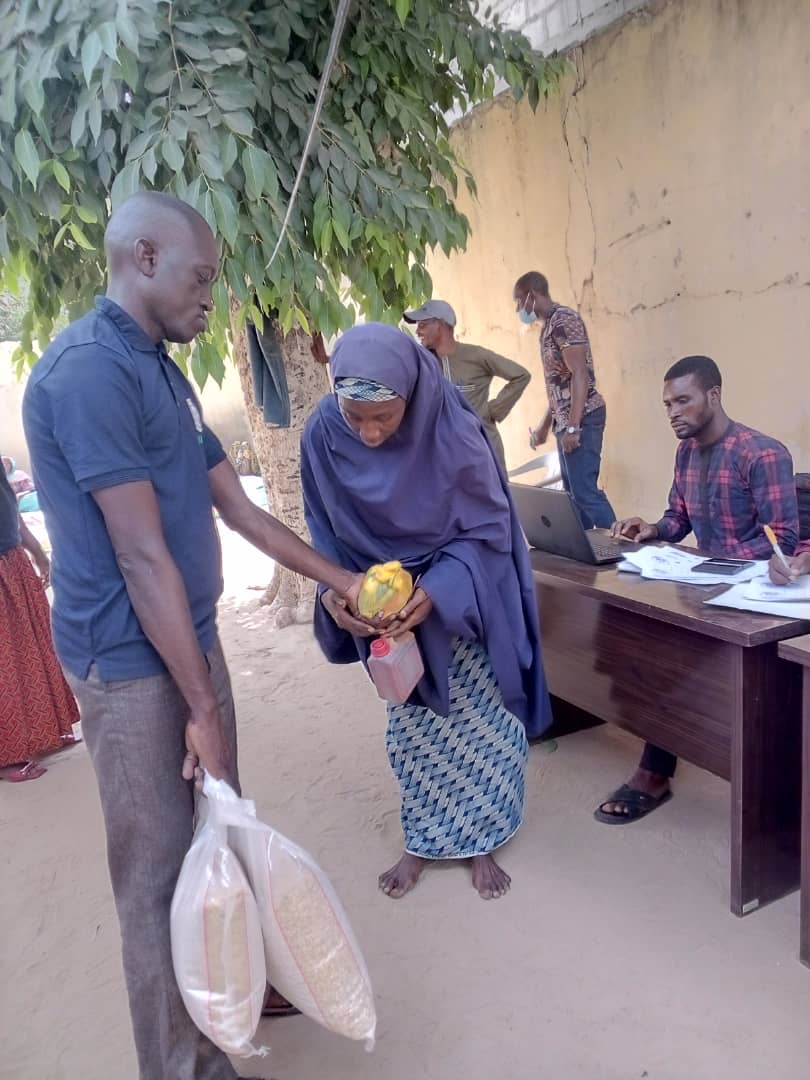
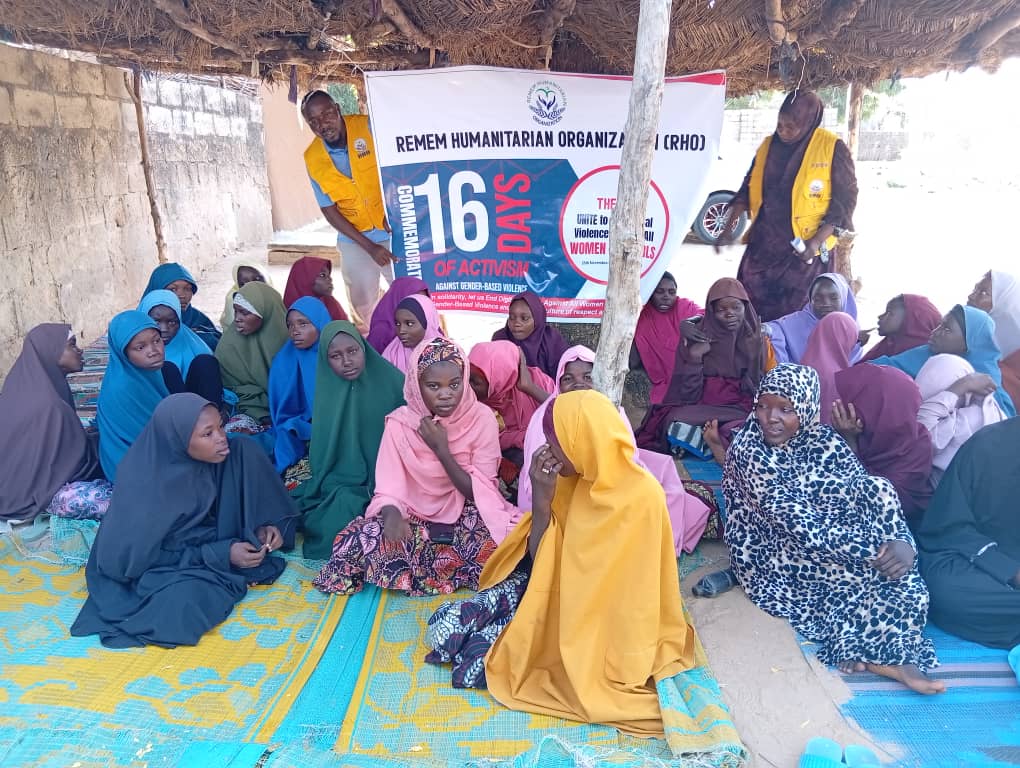
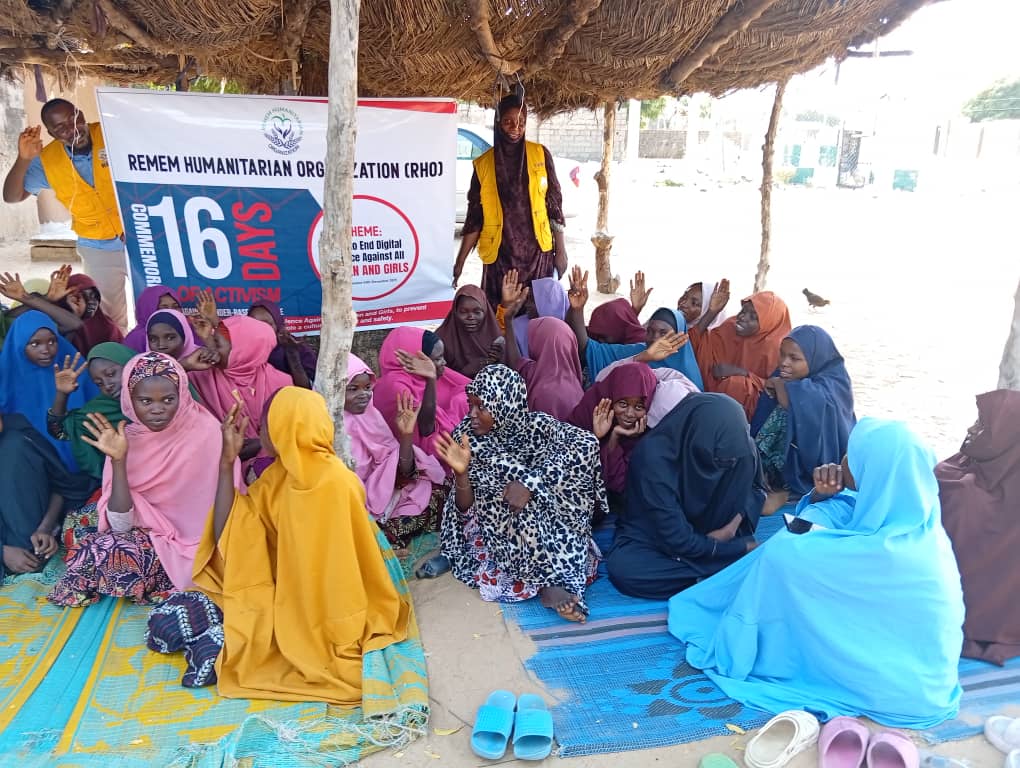
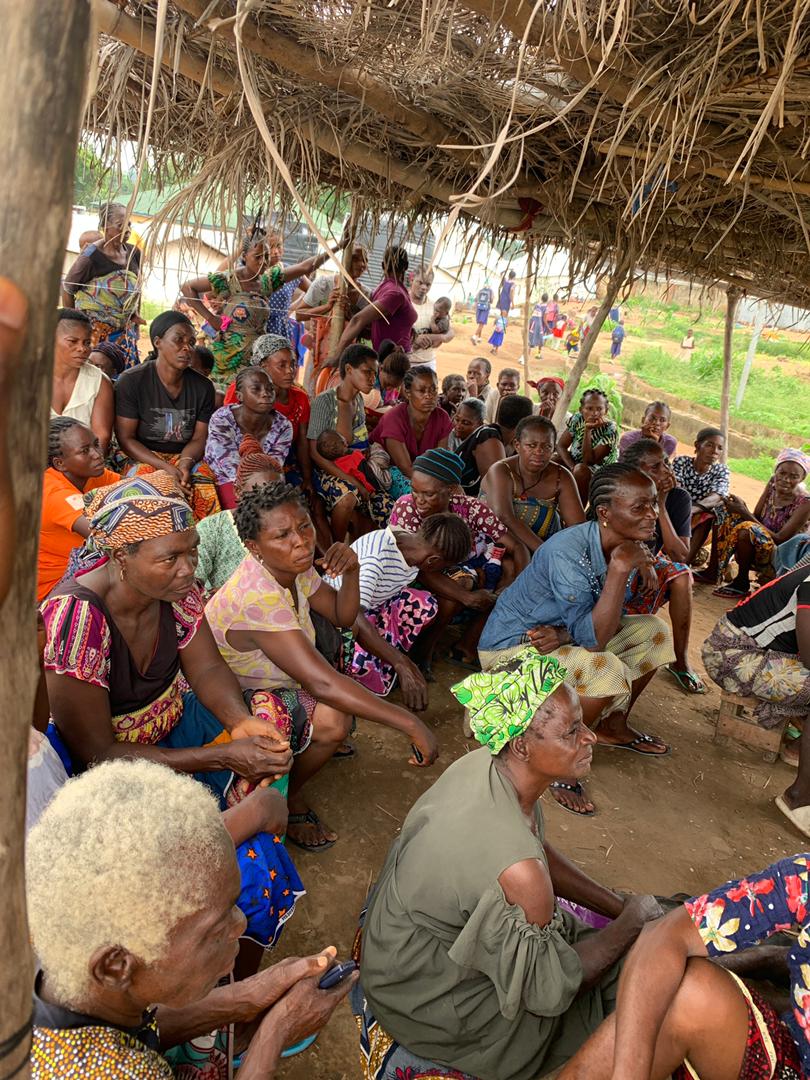
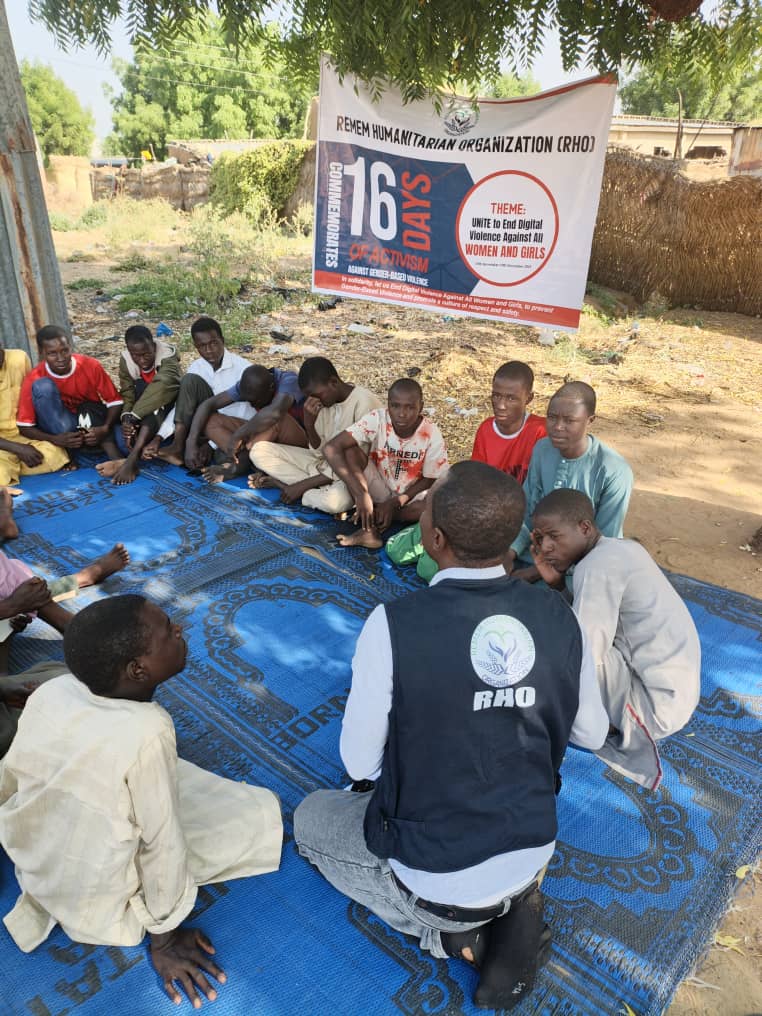
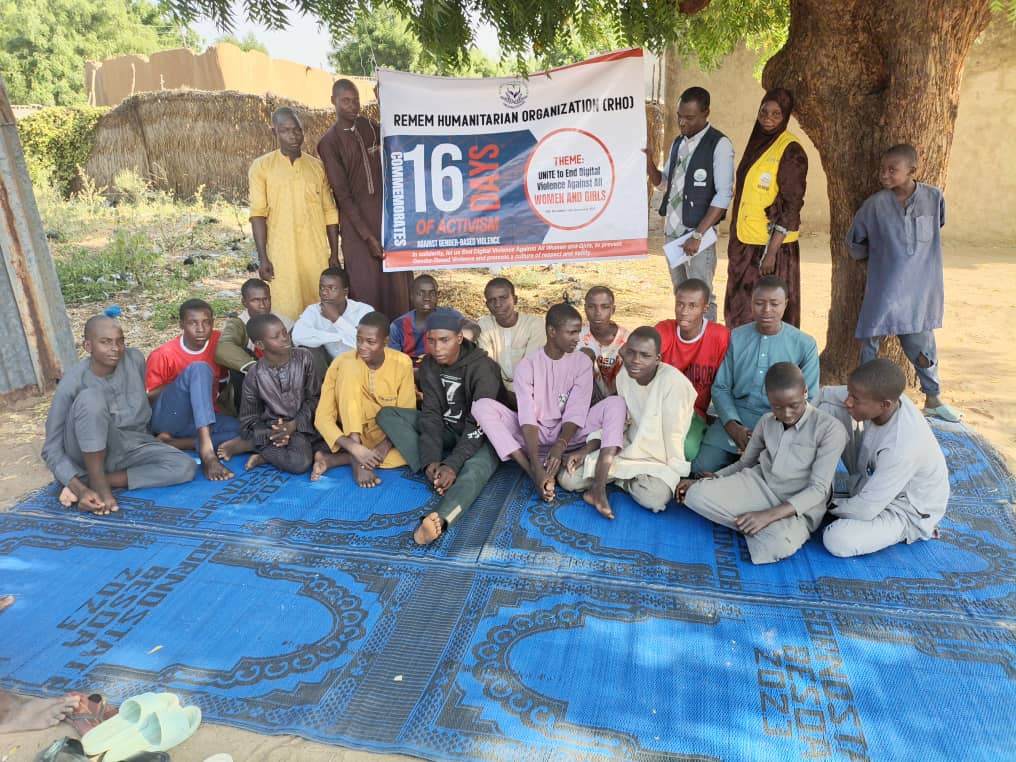
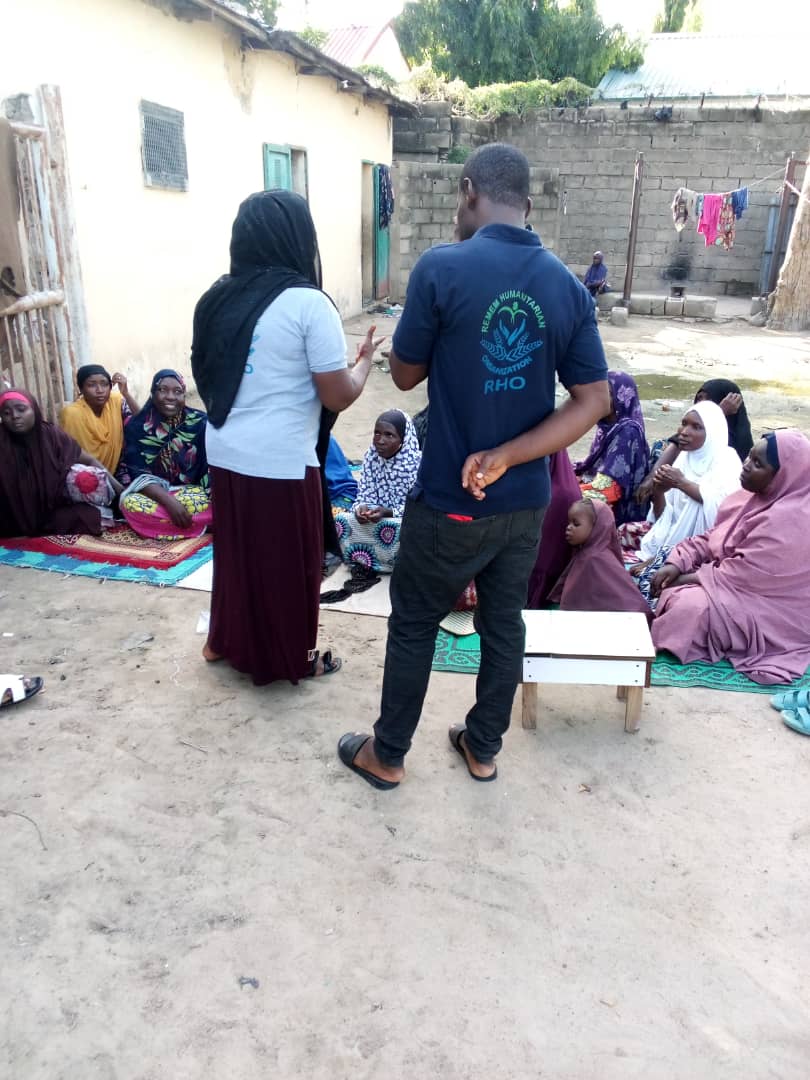
Capturing our real-time interventions and community outreach efforts.


No. 31, Shettima Ali Kidaji Street,
off Wullari Court Junction, Wulari,
Maiduguri, Borno State.
No. 128 on/ ybtp/024,
Waziri Ibrahim Extension,
Damaturu, Yobe State.